Prizes

Current prize categories

The inaugural PhD Student, Postdoctoral Fellow, Supervisor, Sports, and Moyu awards each have published trial criteria, internal nomination rules, and a RMB 0.2 share of the annual purse.

Prize category

The Ding Prize PhD Student Award

Recognizes current doctoral students for substantial progress in scientific questions, technical methods, data products, teamwork, or laboratory public service—without treating publication counts or all-nighters as the sole measure.

Selection criteria

  • A clear, valuable scientific question and an independently identifiable contribution.
  • Reliable data processing, methods, and conclusions, with the ability to find and correct errors.
  • Code, data, or workflows organized well enough for others to continue using them.
  • Responsible collaboration and research resilience without glorifying physical exhaustion.
Selection method
Internal committee nomination, evaluated on contribution, evidence, reliability, and collaboration.

RMB 0.2 and one symbolic no-all-nighter voucher.
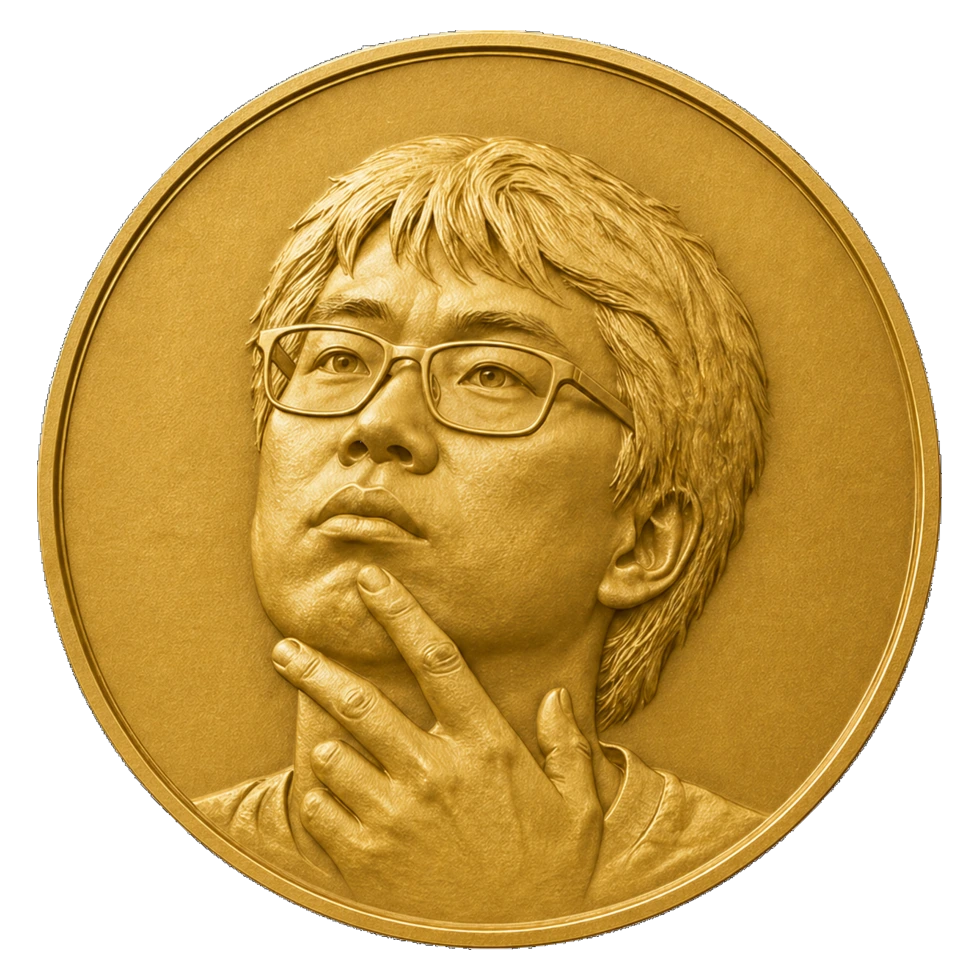
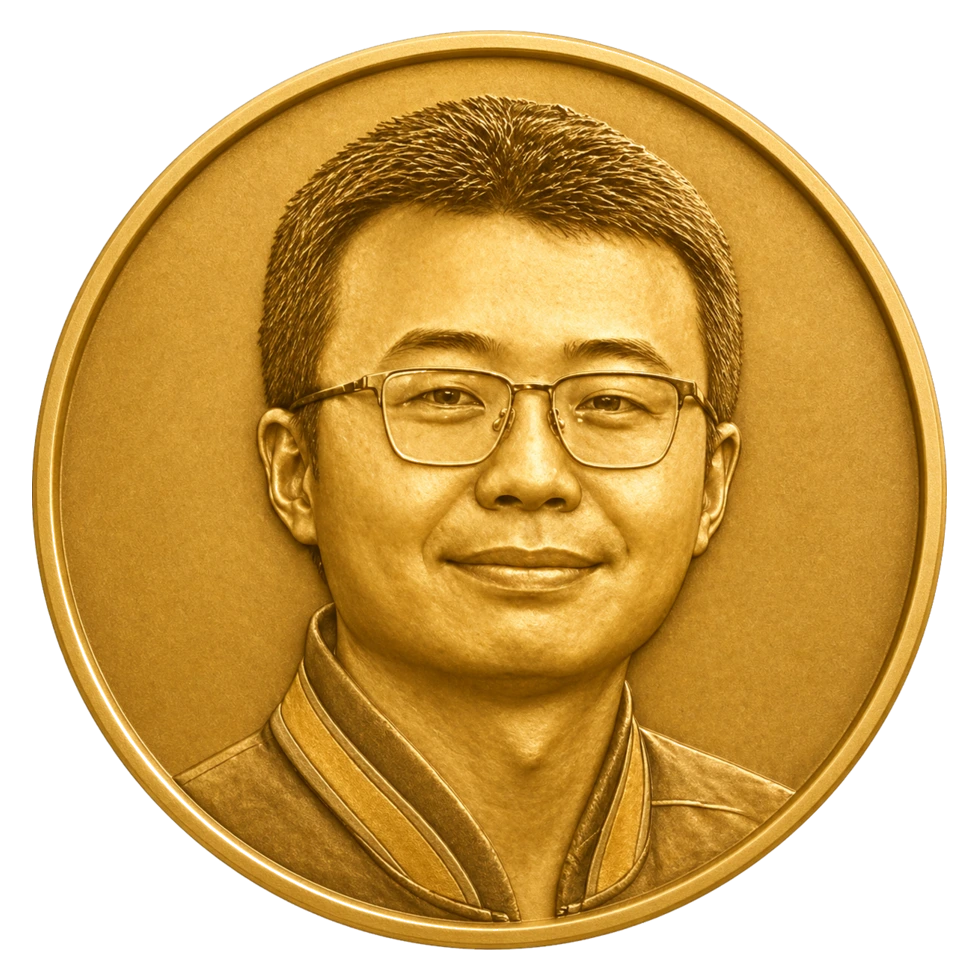
Front design of the PhD Student Award medal.

Prize category

The Ding Prize Postdoctoral Fellow Award

Recognizes current postdoctoral fellows for independent research, project advancement, methodological innovation, support for younger colleagues, and connective work across the team.

Selection criteria

  • A clear independent direction and the ability to turn vague ideas into executable projects.
  • Substantive responsibility for key work and collaboration across projects, methods, or teams.
  • Practical support for doctoral students and younger colleagues.
  • Sound prioritization when several deadlines approach at once.
Selection method
Two stages: anonymized review of the work, followed by committee discussion and recorded acclamation.

RMB 0.2 and authorization to cite joint certification by blind review and public acclamation.

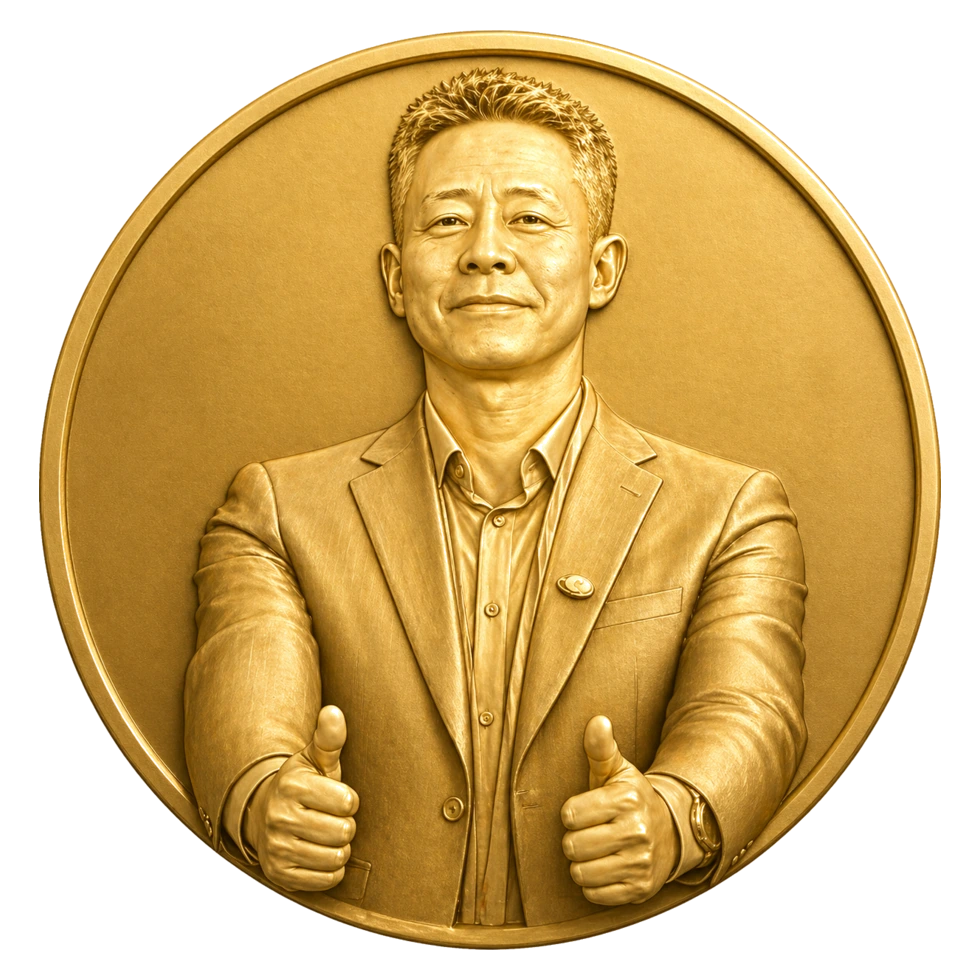
Front design of the Postdoctoral Fellow Award medal.

Prize category

The Ding Prize Supervisor Award

Recognizes supervisors who make outstanding contributions to talent development, research guidance, fair attribution, team building, and the growth of early-career scholars.

Selection criteria

  • Respect for independent contributions and fairness in authorship, ownership, and opportunities.
  • Actionable guidance, space for disagreement, and practical help during setbacks or career anxiety.
  • Development of young scholars who can work independently and eventually disagree with their supervisor.
  • No direct or indirect self-nomination; long-term observation takes precedence over campaign behavior.
Selection method
Internal nomination with a one-cycle cooling-off period after three consecutive valid but unsuccessful candidacies.

RMB 0.2 and the annual title “Students are temporarily not quite as afraid of you.”

Front design of the Supervisor Award medal.

Prize category

The Ding Prize Sports Award

Encourages sustained physical activity and recognizes participation, organization, safety, progress, and team building in laboratory sports.

Selection criteria

  • Sustained participation rather than a single extreme performance.
  • Positive organization of collective activity and respect for teammates, opponents, and differences in ability.
  • Clear progress achieved safely and in moderation.
  • No requirement to submit screenshots, wearable data, scores, or medical reports.
Selection method
Internal nomination based on everyday observation and facts widely known in the laboratory.

RMB 0.2; the laureate may volunteer a brief ceremony demonstration that does not affect the result.

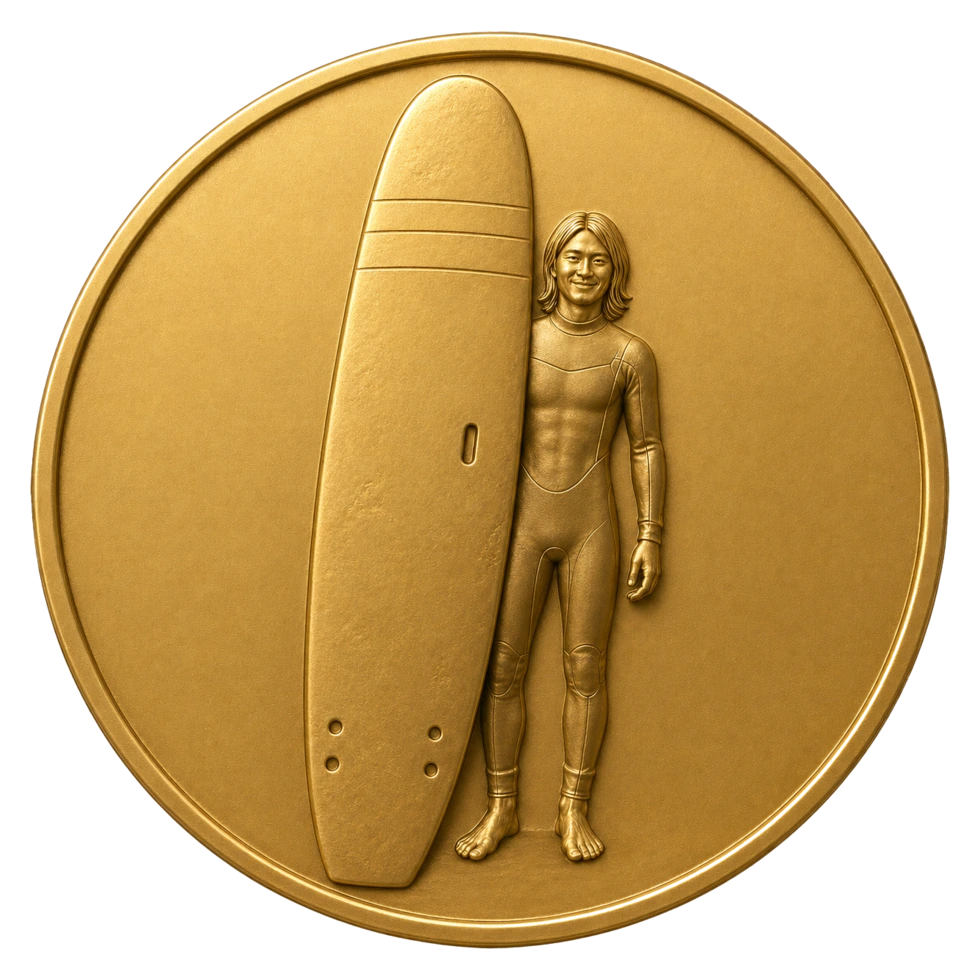
Front design of the Sports Award medal.

Prize category

The Ding Prize Moyu Award

Recognizes unexpected, verifiable, and creative contributions that emerge away from the original plan—without confusing effective moyu with reasonable rest or simple procrastination.

Selection criteria

  • Unexpectedness: the event genuinely departed from the original plan.
  • Effectiveness: a verifiable practical contribution resulted.
  • Creativity: the work shows an unconventional way of solving a problem.
  • Story value: the event remains worth retelling years later.
Selection method
No self-application; the story must be discovered in ordinary interaction by a committee member or at least two informed observers.

RMB 0.2 and the title “Model Individual for Low-Duty-Cycle, High-Effective-Output Research.”

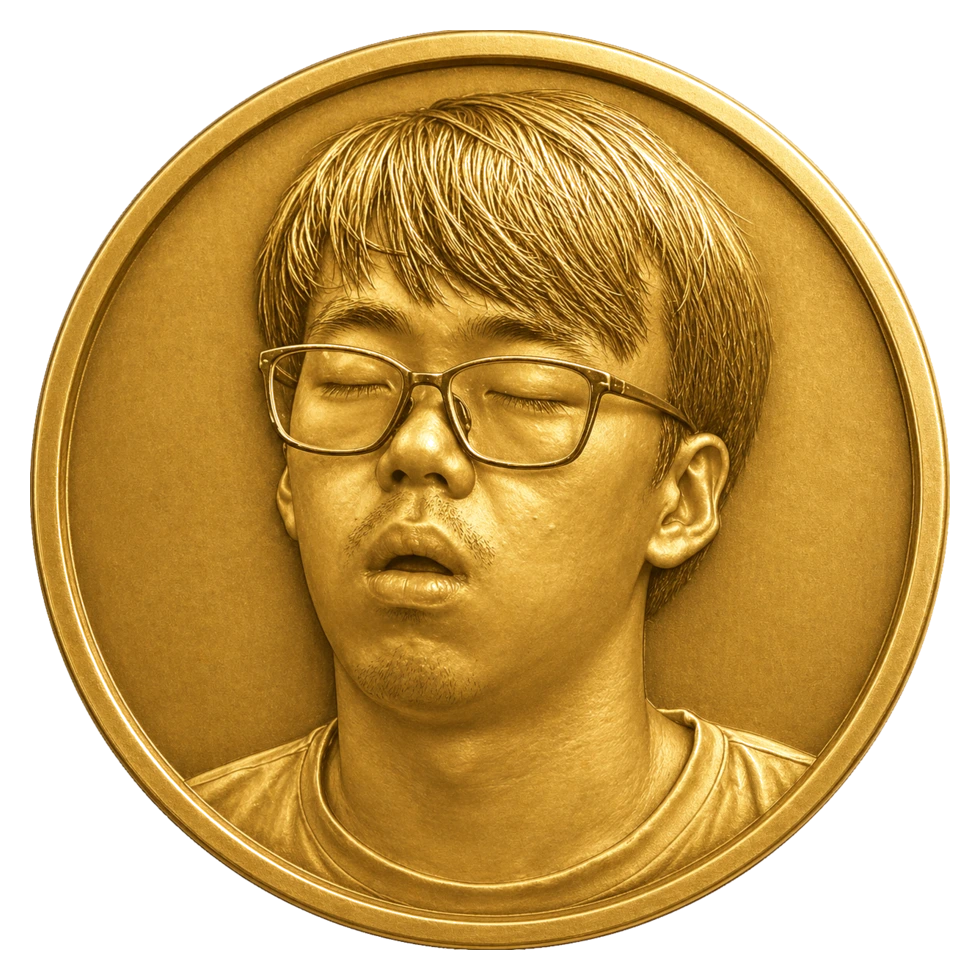
Front design of the Moyu Award medal.